2026-09-13 ·
Understanding Calaveras County Rules for Construction Debris Disposal
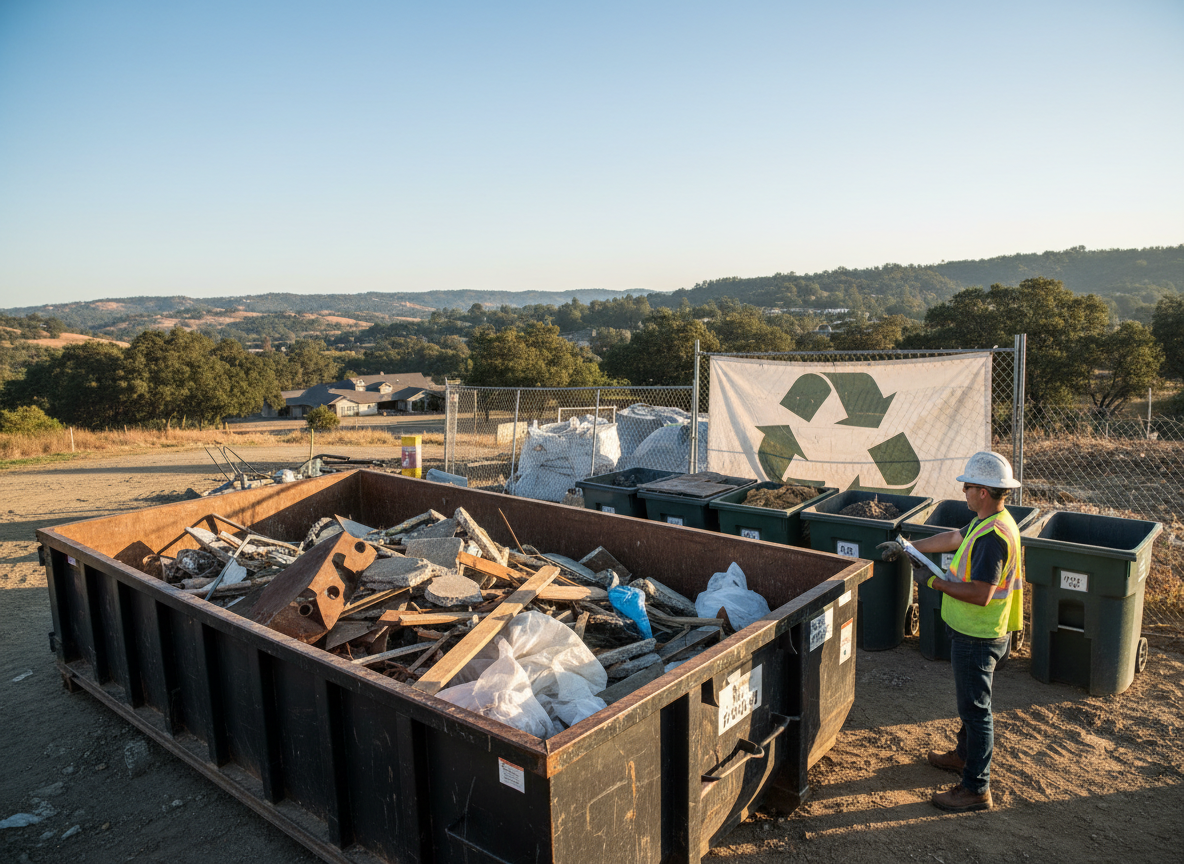
Calaveras County requires a permit from the planning department before disposing of construction debris from projects larger than minor residential repairs, with materials directed to county-approved transfer stations rather than general landfills. This applies directly in San Andreas and extends to surrounding communities where older housing stock often generates mixed loads of wood, concrete, and metal during renovations.
Permit Process for Construction Projects
Homeowners and contractors start by submitting a debris management plan to the Calaveras County Building Department located near the Calaveras County Courthouse in San Andreas. Plans must list expected waste types and estimated volumes so inspectors can confirm the load stays within allowed categories. In the San Andreas Historic District, additional review checks that disposal methods will not disturb protected structures or soil. Processing typically takes several business days, so schedule the permit before ordering any roll-off container. Once approved, the permit stays with the job site paperwork and must be shown during any county inspection. Projects in nearby Jackson or Angels Camp follow the same county process but sometimes face extra scrutiny when debris crosses into Amador County lines.
Material Sorting Requirements
Construction debris must be separated into categories such as clean wood, concrete and masonry, metals, and contaminated items before leaving the site. Mixed loads trigger higher fees or rejection at transfer stations, especially during the hot dry summers when fire risk increases around piles left too long. In areas with older homes common throughout Calaveras County, crews often encounter lead-painted lumber or asbestos-containing materials that require separate handling. Sorting on-site reduces the number of trips needed and keeps costs predictable for jobs in San Andreas and outlying spots like Mountain Ranch. County rules prohibit burning any debris, so all sorted piles head to permitted facilities rather than open disposal.
Weather and Terrain Considerations
Foothill climate patterns shape disposal timing because cool winters bring rain that can turn soil into mud and make access roads slippery around San Andreas job sites. Hot dry summers increase the chance that uncovered debris piles become fire hazards, prompting crews to cover loads promptly and schedule pickups within 24/7 windows. Steep terrain common in the county means trucks need clear staging space, so smaller 10- or 15-yard containers often work better than larger ones on narrow driveways. These conditions also affect how long debris can sit before weather degrades it, particularly when working near the San Andreas Historic District where runoff rules are stricter.
Practical Steps for Compliance
Begin every job by confirming the permit number and preparing separate bins for each debris type. Schedule hauls during cooler morning hours in summer to avoid heat-related delays, and keep records of all loads for county follow-up. When projects span multiple weeks, coordinate with a local provider that offers flexible delivery in San Andreas and nearby communities such as Angels Camp. For cost planning on larger builds, review the A Homeowner's Guide to Estimating Dumpster Rental Costs in the Area and check Seasonal Tips for Managing Waste During Dry Summer Months in San Andreas before finalizing timelines. Using a dedicated Construction Dumpster Rental keeps loads compliant from the start.